


Tap the tower
Why does my child get upset over small things?
A collapsed tower, a missing cup, a game that didn't go their way. What looks tiny to us can feel enormous to a young child. Let's look at it through their eyes.
Small to us. Big to them.
Young children are still learning to manage disappointment, wait for what they want, adapt to surprises and cope when things don't go their way. Everyday moments are practice.
A broken toy
Your child becomes frustrated because they cannot fix something independently.
A change in routine
Your child cries because an expected activity is suddenly cancelled.
Losing a game
Your child becomes angry because they have not yet learned how to handle disappointment.
Being told "no"
Your child throws a tantrum because they struggle to accept limits or delayed gratification.
A small mistake
Your child gives up because the result is different from what they expected.
These moments look minor, but they involve emotions and challenges children are still learning to navigate.
The coping cup
Every child has a cup of coping room. Tired, hungry or overstimulated days fill it up before anything even happens. Fill the cup, then drop the tower, and see what happens.
90% coping room leftPlenty of room today
What's already in the cup today?
Why do little things trigger big reactions?
There is often more going on beneath the surface than we realise. Understanding the reasons helps us respond with patience and empathy.
They have not yet developed strong emotional regulation skills
Young children are still learning how to pause, think and manage their reactions. When frustration builds up, they may cry, shout or become upset before they know how to explain what is wrong.
They struggle when things do not go as expected
Children often feel more comfortable when they know what is happening next. Unexpected changes, cancelled plans or unfamiliar situations can make them feel uncertain and overwhelmed.
They want independence but still need help
As children grow, they naturally want to do more things by themselves. However, their abilities may not always match their expectations. When they cannot complete a task independently, frustration can quickly turn into an emotional reaction.
They may be tired, hungry or overstimulated
Sometimes the real reason behind an outburst has little to do with the situation itself. A child who is tired after a long day, hungry before dinner or overwhelmed by noise and activity may have less capacity to cope with even small challenges.
They are still learning how to communicate their needs
A child may know that something feels wrong without knowing how to explain it. Crying, shouting or refusing to cooperate may become their way of communicating when they cannot find the right words.
Understanding these possibilities helps us look beyond the behaviour and ask what our child might actually need.
Look beyond the behaviour
Instead of focusing only on stopping the reaction, try to understand what caused it. Next time your child is upset, tick through these questions in your head.
Tap each question as you think it through.
The shoes aren't really about the shoes
If your child suddenly cries because they cannot put on their shoes, look a little closer.
Knowing the real reason lets us give the right support, not just respond to what we can see.
When small things cause big emotions
Children need guidance, not immediate criticism. Four gentle steps help them learn how to handle the next one.
Stay calm before responding
Children settle more slowly when the adults around them are frustrated too. Take a breath, speak gently and give them a moment.
Acknowledge their feelings
It doesn't mean agreeing with every reaction. It shows you understand.
Help them find a solution
Once they're calmer, guide them to a manageable next step.
Set gentle but clear boundaries
Every emotion is acceptable. Not every behaviour is.
The KLC Early Childhood Experience
Empowering children to think independently, communicate fluently, and thrive physically in a warm, structured setting at KLC Preschool.
Experiential Learning
Sparking imagination through project-based tasks, creative arts, and sensory exploration that turn everyday lessons into memorable discoveries.
Multilingual Fluency
Building strong bilingual and trilingual communication skills in English, Mandarin, and Bahasa Malaysia alongside intuitive sign-language cues.
Physical Agility & Play
Nurturing physical health, balance, and motor coordination through indoor soft gyms, movement games, and structured active play routines.
Nourishment & Care
Supporting healthy development with balanced 5-colour nutritional meal plans, comfortable nap schedules, and reassuring full-day care.
See how children grow at KLC
A look inside our classroom, where children explore, communicate and grow at their own pace. The video plays right here on the page.
Three things to try at home
Children don't learn to manage emotions through conversation alone. They need to practise in everyday moments.
What could we do instead?
Describe simple situations such as losing a game, breaking a toy or waiting for a turn. Ask what they could do when they feel upset.
Good answers: asking for help, taking a break, trying again.
The feelings and situations game
Make picture cards of emotions and everyday situations, then ask your child to match each situation with a feeling.
A fallen ice cream might mean sadness or disappointment. Different people can feel differently about the same thing.
Practise small challenges
Offer age-appropriate activities such as a simple puzzle, sorting objects or building with blocks. When it gets hard, encourage them to pause, ask for help or try a different approach.
Children don't need us to say their problem is small. They need to see that we understand how big it feels.
Emotional growth happens gradually. There will still be tears over a broken toy or plans that change, and that is part of learning. We don't need to prevent every difficult emotion. We can give the support that helps children manage them.
Visit KLC Preschool in Johor Bahru
At KLC, confidence, communication, independence and positive social-emotional foundations are part of every day. Come and meet our teachers at any of our three branches.

KLC Preschool Taman Molek
Founding centre. Over 16 years of heritage, home to ASEAN Scholarship recipients.
- No. 32, Jalan Molek 1/4, Taman Molek, 81100 Johor Bahru
- +60 13-792 7399

KLC Preschool Desa Tebrau
Largest campus. A whole 3rd floor for all-weather indoor active play and movement.
- 1, Jalan Harmonium 23/13, Taman Desa Tebrau, 81100 Johor Bahru
- +60 16-770 1052
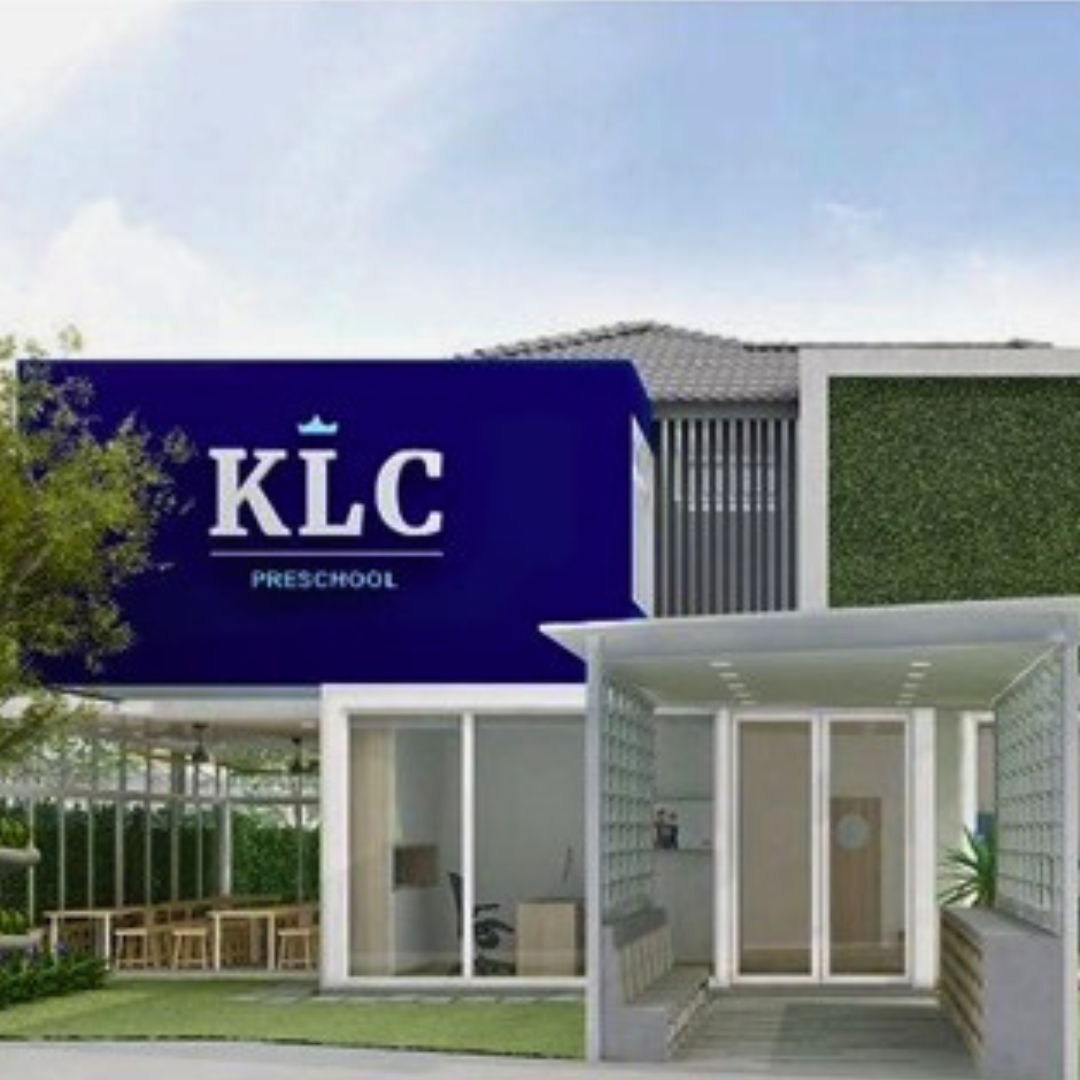
KLC Preschool Taman Delima
Most experienced team. Every child's pace and style is seen and nurtured.
- 1, Jalan Delima 2/11, Taman Delima 2, 81100 Johor Bahru
- +60 16-713 3875
Questions parents ask us
Can't find yours? Message us on WhatsApp at +60 18-381 8830 and we'll gladly help.
Why does my child cry over such small things?
What seems like a small inconvenience to an adult can feel like a major challenge to a young child. Their emotional regulation skills are still developing, so they are still learning to manage disappointment, wait, adapt to change and cope when things don't go their way.
Is it just a tantrum?
Rather than seeing these reactions as unnecessary tantrums, it helps to see them as chances to understand what your child is experiencing. Often there is a feeling, a skill gap or an unmet need behind the behaviour.
Could tiredness or hunger be the real reason?
Yes. A child who is tired after a long day, hungry before dinner or overwhelmed by noise and activity has less capacity to cope with even small challenges. If the reaction seems bigger than the trigger, check these first.
What should I say when my child is upset?
Stay calm and acknowledge the feeling. Instead of "Stop crying, it's not a big deal," try "I know you are upset because your toy is not working." Once they are calmer, help them find a next step, for example "Would you like to try building a smaller tower together?"
How do I set limits without making things worse?
Be gentle but clear. Every emotion is acceptable, but not every behaviour is. You can say, "It is okay to feel angry, but we cannot throw our toys. Let's find another way to show how you feel." Consistent guidance helps children learn better responses over time.
How can I practise this at home?
Try "What could we do instead?" conversations, a feelings and situations picture-card game, and small challenges like puzzles, sorting or block building. When it gets difficult, encourage your child to pause, ask for help or try another way, and praise their effort and patience.
Will my child grow out of this?
Emotional growth happens gradually. There may still be tears over a broken toy or reactions when plans change, and these moments are part of learning. What matters is consistent opportunities to understand feelings, practise good responses and build confidence.
How does KLC Preschool support children's emotions, and can I visit?
KLC works in small classes with personalised guidance and a positive reinforcement culture, with zero tolerance for physical punishment. Sign language in daily lessons and the Reggio Emilia "100 Languages" approach give children many ways to express themselves. You're welcome to visit our Taman Molek, Desa Tebrau or Taman Delima branch. Message us on WhatsApp to arrange a time.