


Little hands, big practice
Holding a spoon, turning a page, fastening a button. Every tiny movement builds the strength, coordination and control your child needs to grow more independent.
What are fine motor skills, and why do they matter?
Parents often watch for big milestones like walking, talking, reading and counting. The small movements of fingers and hands matter just as much.
Fine motor skills
The ability to control the small muscles in the hands and fingers to perform precise movements. Children use them all day, often without realising it.
They help children manage everyday tasks more comfortably and independently, and they support hand-eye coordination, early writing experiences and creative exploration.
Every little movement is helping your child prepare for bigger achievements.
Five ways small hands build big skills
Fine motor development is about more than strong little fingers. It supports your child’s whole development, and these skills grow together through repeated chances to explore, practise and play.
Hand strength and control
Squeezing playdough, picking up objects and using crayons help children control their hands and fingers, supporting drawing, cutting and handling small objects.
Hand-eye coordination
Placing puzzle pieces or threading beads means looking carefully and adjusting hand movements to match what the eyes see.
Independence in daily activities
Holding a spoon, opening containers, turning pages and managing simple clothing fasteners help children join in daily routines more independently.
Early writing readiness
Before writing, children need to explore hand movements, build finger control and get familiar with drawing tools. Scribbling, colouring and drawing build this naturally.
Concentration and problem-solving
Puzzles, blocks and arranging small objects encourage children to focus, observe and figure out how things fit together.
The shape sorter
Pick it up, find its home, place it. Drag each shape to its matching hole, or tap a shape and then tap its home. It’s the “pick, sort and place” activity, right on screen.
Drag a shape to its home. Take your time.
There’s no timer and no score. Little hands practise best at their own pace.
You may already be doing it
Fine motor development doesn’t need expensive toys, special equipment or complicated materials. Tap the moments your child already enjoys.
Tap the ones your child already does.
Five easy activities to try at home
Simple materials, big benefits. Choose activities that match your child’s abilities.
Playdough squeeze and shape
Give child-safe playdough and encourage rolling, squeezing, pinching and flattening. Try making balls, snakes or flowers.
Pick, sort and place
Prepare larger objects in different colours or shapes. Your child picks them up and places them into matching containers. For younger children, use larger objects to avoid choking hazards.
Paper tearing and collage
Offer coloured paper to tear into smaller pieces, then arrange and paste them onto another sheet to make a picture.
Build a little tower
Use building blocks or stacking cups and challenge your child to build a tower. Encourage careful placing and trying different arrangements.
Sticker placement challenge
Give large, easy-to-peel stickers and a sheet of paper. Invite your child to peel and place them to make patterns, pictures or simple designs.
Safety first. Choose activities that match your child’s abilities and supervise throughout play, especially when small materials are involved.
Why shouldn’t we rush fine motor development?
Children develop at different rates.
Some children love drawing and colouring. Others prefer building blocks, exploring textures or handling objects. Both kinds of play offer valuable learning, so try not to compare your child with others.
- Start with simple activitiesBegin with tasks your child can try comfortably, then slowly raise the challenge.
- Allow room for mistakesLet them experiment, even when the results aren’t perfect.
- Encourage independent attemptsGive them a chance to try before stepping in to finish the task.
- Make practice enjoyableUse games, creative activities and daily routines, not only repetitive exercises.
- Celebrate small progressNotice a steadier spoon or a page turned all by themselves.
Little hands today, greater independence tomorrow
The small movements children practise now gradually become abilities they rely on every day. These achievements may seem small, but they are meaningful steps.
Today
Learning to hold a spoon
Developing the control needed for independent mealtimes.
Today
Enjoying drawing
Exploring the hand movements that support early writing.
Today
Building with blocks
Practising coordination, precision and problem-solving.
You don’t need to plan a complicated activity every day. Letting your child turn book pages, help with simple household tasks or play with building blocks is already a valuable learning experience.
What children learn & services offered at KLC
We provide a nurturing, well-rounded early education experience designed to help every child build a strong foundation for school and life.
Academic Readiness
Early literacy, language skills, and numeracy taught through engaging, age-appropriate methods that spark a lifelong love for learning.
Physical & Motor Skills
Fine motor control (writing prep, cutting, pincer grasp) and gross motor development supported by active indoor and outdoor play spaces.
Character & Independence
Encouraging self-reliance in daily routines, emotional resilience, social teamwork, and confidence to try new things independently.
Creative Expression
Art, crafts, music, and imaginative play that allow children to express their ideas, explore textures, and think outside the box.
Bilingual Foundation
Strong communication skills across multiple languages to prepare children smoothly for primary school environments.
Hands-on learning at KLC
Through meaningful hands-on experiences and purposeful play, children explore their abilities, build practical skills and grow in confidence at their own pace.
Before little hands can do big things, they need plenty of chances to explore, practise and discover.
Those tiny fingers are learning to move with more control, and every successful attempt helps your child become a little more independent.
Visit KLC Preschool in Johor Bahru
Physical development, sensory exploration, coordination and independence are all part of a child’s learning journey at KLC. Come and see it at any of our three branches.

KLC Preschool Taman Molek
Founding centre. Over 16 years of heritage, home to ASEAN Scholarship recipients.
- No. 32, Jalan Molek 1/4, Taman Molek, 81100 Johor Bahru
- +60 13-792 7399

KLC Preschool Desa Tebrau
Largest campus. A whole 3rd floor for all-weather indoor active play and movement.
- 1, Jalan Harmonium 23/13, Taman Desa Tebrau, 81100 Johor Bahru
- +60 16-770 1052
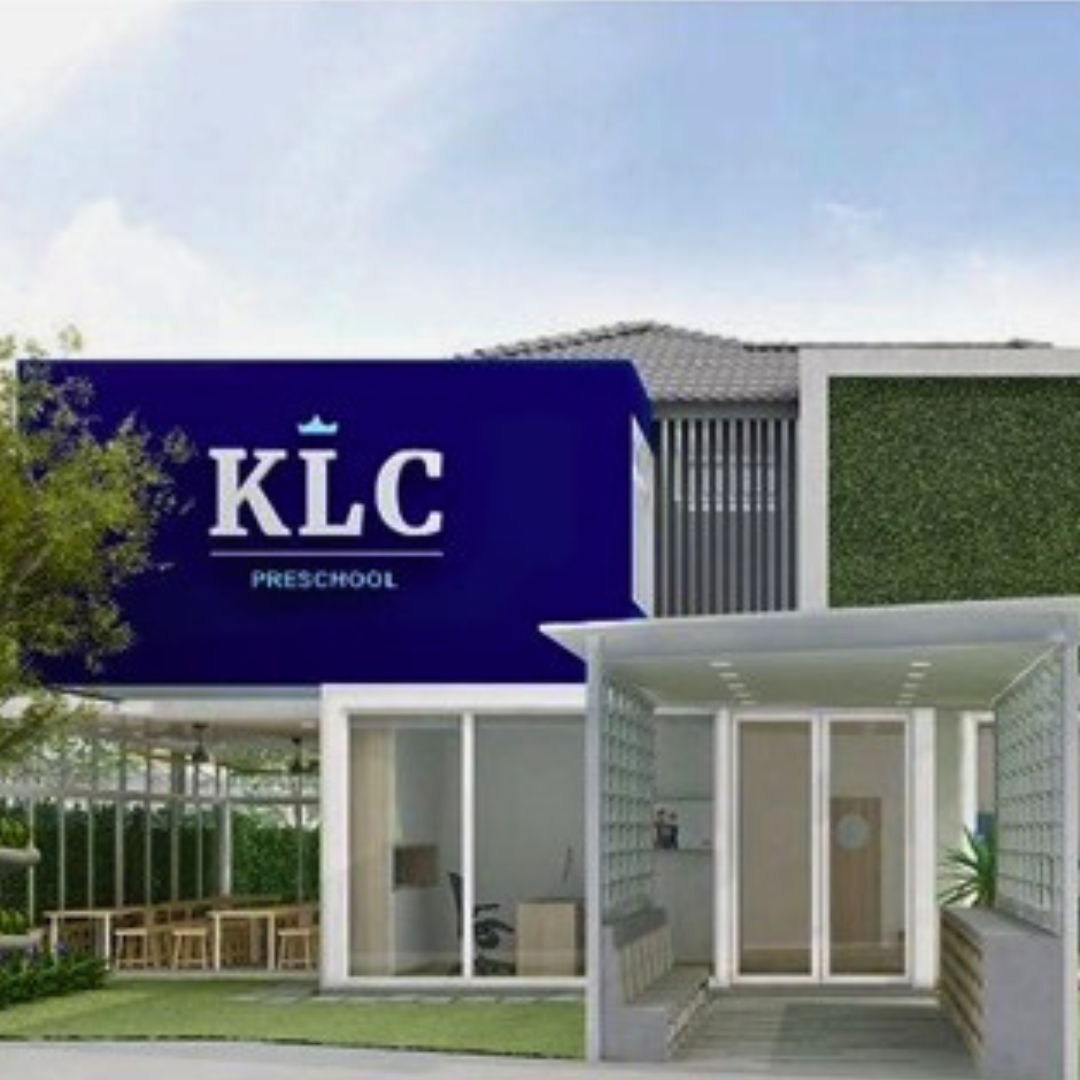
KLC Preschool Taman Delima
Most experienced team. Every child's pace and style is seen and nurtured.
- 1, Jalan Delima 2/11, Taman Delima 2, 81100 Johor Bahru
- +60 16-713 3875
Questions parents ask us
Can’t find yours? Message us on WhatsApp at +60 18-381 8830 and we’ll gladly help.
What are fine motor skills?
Fine motor skills are the ability to control the small muscles in the hands and fingers to make precise movements, like picking up small objects, holding a spoon, turning pages, drawing, and pulling zippers or fastening buttons.
Why do little hands need so much practice?
Each task needs a different mix of finger strength, hand control and coordination. These abilities develop gradually through repeated chances to explore, practise and play, and they help children become more independent.
How do fine motor skills help with writing?
Before children are ready to write, they need to explore different hand movements, build finger control and get used to holding drawing tools. Scribbling, colouring and drawing build these foundations naturally.
Which everyday activities build fine motor skills?
Mealtimes (spoons, forks, finger foods), playtime (blocks, puzzles, shape sorters), storytime (turning pages), art and craft (crayons, tearing paper, collage) and dressing routines (zippers, larger buttons, shoes) all give hands a workout.
Do I need special toys or equipment?
No. Fine motor development doesn’t require expensive toys or complicated materials. Simple things like playdough, paper, crayons, building blocks, stickers and everyday routines work well.
My child is slower than other children. Should I worry?
Children develop fine motor skills at different rates, so try not to compare. Start simple, allow mistakes, let them try independently and celebrate small progress. If your child consistently struggles with everyday hand movements, or you have concerns, consider talking to a healthcare professional.
How can I keep these activities safe?
Choose activities that match your child’s abilities and supervise throughout, especially when small materials are involved. For younger children, use larger objects to avoid choking hazards.
How does KLC Preschool support fine motor development, and can I visit?
At KLC, physical development, sensory exploration, coordination and independence are important parts of the learning journey. Through hands-on experiences and purposeful play, children explore their abilities and build practical skills at their own pace. You’re welcome to visit our Taman Molek, Desa Tebrau or Taman Delima branch. Message us on WhatsApp to arrange a time.
Big discoveries begin with little hands
Every little movement can lead to a big discovery. Come and see how hands-on learning helps your child build confidence and independence. Message us and we’ll arrange a visit.