


Big feelings, little words
Sometimes a tantrum is a little one trying to say something they don't have the words for yet. Here is how to help your child name what they feel, one everyday moment at a time.
Why can't they just tell us what's wrong?
Young children are still building their emotional awareness and their words. They know something feels bad. They don't yet know what it is or how to say it.
Frustration
Your child struggles to complete a puzzle and pushes the pieces away.
Disappointment
Your child becomes upset when they cannot have the toy they want.
Embarrassment
Your child refuses to join in after making a mistake in front of others.
Sadness
Your child becomes quiet when a friend does not want to play.
Excitement
Your child becomes overly energetic because they cannot contain their happiness.
These reactions are not necessarily misbehaviour. Each one is a chance to help your child understand what they feel and find a healthier way to say it.
The feelings studio
Pick a shape. Every feeling has a face, a few easy words, and something a grown-up can say back. Try it together with your child.
Tip: let your child point to the face that matches how they feel. That's the emotion chart idea in action.
Help them put a name to it
Before children can say how they feel, they need to recognise it. Short, simple, everyday words do the job. No long explanations needed.
Use facial expressions
Show what happy, sad, angry, surprised and worried look like, then invite your child to guess.
Talk about real moments
When something happens, name the likely feeling out loud.
"You look disappointed because your tower fell down."Read picture books
Ask how a character might be feeling and what made them feel that way.
Make an emotion chart
Draw a simple chart of faces and let your child point to the one that matches.
The more they hear and practise these words, the easier it gets.
Listen first, correct second
Fixing the behaviour before understanding the feeling makes it harder for children to open up. A small change in wording helps.
Acknowledge their feelings
Let them know you see it before you try to solve it.
Give them time to respond
Some children need a moment before they can explain. Avoid asking too many questions at once.
Help them find the right words
If they struggle, offer a gentle guess.
Are you feeling disappointed because you wanted to play longer?
Guide them towards appropriate expressions
All feelings are welcome. Some actions are not.
It is okay to feel angry, but we cannot hit someone. You can tell me that you are upset.
The Journey of Growth at KLC
How we nurture your child every step of the way—building a solid foundation for school and life success.
Early Social & Emotional Independence
Helping toddlers transition smoothly from home to school, fostering self-reliance, sharing habits, and confidence through gentle guidance and warm teacher care.
Mastery of Languages & Expression
Developing articulate communication across English, Mandarin, and Bahasa Malaysia using phonics, reading routines, character recognition, and interactive sign language cues.
Motor Skills & Active Coordination
Energizing young bodies through indoor active play hubs, balance exercises, and fun physical movement programs that build lifelong health habits.
Holistic Health & Daily Wellness
Providing 5-color balanced nutritious meals, structured afternoon rest schedules, and comprehensive full-day care so parents have complete peace of mind.
See it in a KLC classroom
Watch how children learn to express themselves every day. Videos play right here on the page.
Three small habits for every day
Emotional learning shouldn't only happen when a child is upset. Fold it into routines you already have.
How am I feeling today?
Each morning or evening, your child picks an emotion card and shares one reason for their choice.
Practise in the studioGuess the character's feelings
While reading a storybook, pause and wonder together.
"How do you think this character feels?"
"What made them feel that way?"
Draw your feelings
Hand over paper and crayons. Let them pick their own colours and explain their drawing, without correcting a single choice.
Naming joy today doesn't mean naming frustration tomorrow.
That is completely normal. Emotional development doesn't happen overnight. Patient listening, acknowledged feelings and a few good words build a place where children feel safe expressing themselves.
Visit KLC Preschool in Johor Bahru
At KLC, early childhood development goes beyond academics. Confidence, communication and positive social-emotional foundations are part of every day. Come and see it at any of our three branches.

KLC Preschool Taman Molek
Founding centre. Over 16 years of heritage, home to ASEAN Scholarship recipients.
- No. 32, Jalan Molek 1/4, Taman Molek, 81100 Johor Bahru
- +60 13-792 7399

KLC Preschool Desa Tebrau
Largest campus. A whole 3rd floor for all-weather indoor active play and movement.
- 1, Jalan Harmonium 23/13, Taman Desa Tebrau, 81100 Johor Bahru
- +60 16-770 1052
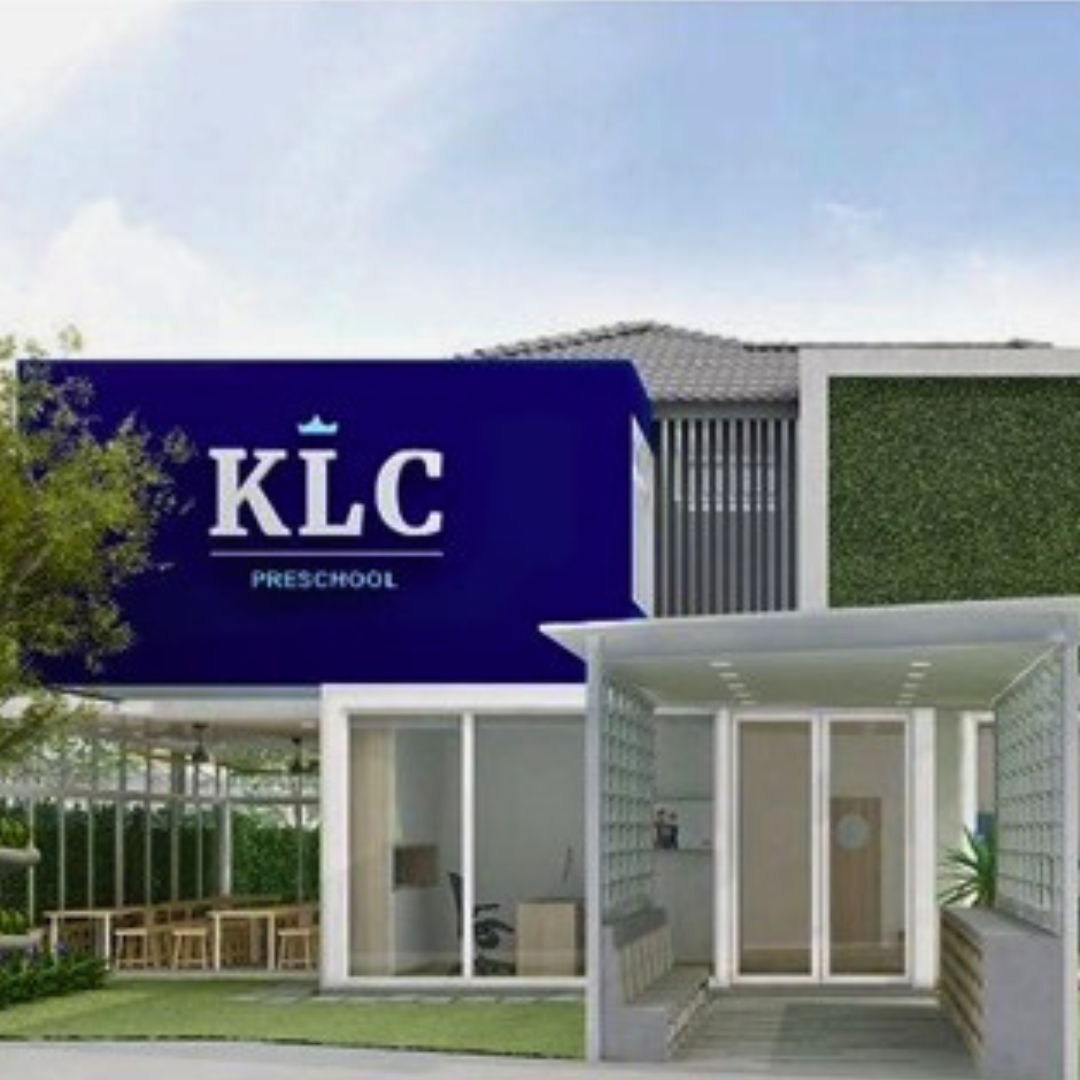
KLC Preschool Taman Delima
Most experienced team. Every child's pace and style is seen and nurtured.
- 1, Jalan Delima 2/11, Taman Delima 2, 81100 Johor Bahru
- +60 16-713 3875
Questions parents ask us
Can't find yours? Message us on WhatsApp and we'll happily help.
Ask on WhatsAppWhy does my child cry or say "I don't know" when I ask how they feel?
Young children are still building their emotional awareness and communication skills. They may sense that something feels unpleasant without knowing which emotion it is or how to explain it. A blank stare, a sudden cry or an angry reply is often a feeling looking for words.
Is a tantrum a sign of bad behaviour?
Not necessarily. Many tantrums are a child trying to communicate a feeling they can't yet express. Treat them as chances to help your child understand what they feel and learn healthier ways to say it.
What simple words can I teach my child to use?
Short phrases work best: "I feel angry" or "I feel sad" for those feelings, "I need help" when frustrated, "I don't like this" when disappointed, "Please stop" when uncomfortable, "I need a break" when overwhelmed, and "Can you play with me?" when lonely. Practise them through pretend play, such as taking turns acting out losing a game or making a mistake.
What should I say when my child is upset?
Acknowledge the feeling first. Instead of "Stop crying. It's not a big deal," try "I can see that you are upset. It is okay to feel sad." Give them a little time, avoid firing many questions, and offer gentle guesses if they are stuck.
My child hits when they are angry. What can I do?
Make it clear that all feelings are welcome but certain actions are not. For example: "It is okay to feel angry, but we cannot hit someone. You can tell me that you are upset." Then help them practise using those words.
How long does it take for children to learn to express emotions?
It takes time and repetition. A child who can name happiness today may still struggle to explain frustration tomorrow, and that is completely normal. Regular practice with emotional words, stories and everyday conversations builds confidence over time.
How does KLC Preschool support children's emotional development?
KLC works in small classes with personalised teacher guidance and a 100% positive reinforcement culture, with zero tolerance for physical punishment. Sign language is woven into daily lessons to help children build expressive confidence, and the Reggio Emilia "100 Languages" approach gives them many ways to show how they think and feel. Parents are kept informed so you can continue the same approach at home.
Can I visit before enrolling?
Yes. You're welcome to visit any of our three Johor Bahru branches (Taman Molek, Desa Tebrau and Taman Delima) and meet our teachers. Message us on WhatsApp at +60 18-381 8830 to arrange a time.
Every feeling deserves to be heard
All it takes is a little patience, a listening ear and someone who can help find the right words. Come see how a nurturing classroom supports your child's whole development.